

FMCG marketing is undergoing an autonomous and hyper-local shift. Brands are adapting to Agentic AI (where algorithms purchase on behalf of consumers), a thriving local “treat economy”, and rapid on-demand delivery services like Checkers Sixty60 and Pick n Pay asap .FMCG marketing drives rapid sales of everyday essentials like packaged food, beverages, and toiletries through high-volume distribution and narrow margins. It relies on brand storytelling, heavy digital and in-store promotions, and data analytics to maximise visibility. Success in this highly competitive, high-turnover industry requires mastering a few specialised pillars: promotion, branding, digital marketing& distribution
Promotion in FMCG
Visibility within the context of FMCG is not only a gained competitive advantage but also an appetite generator . Ensuring that you make your product visible available and accessible to your ICP is crux in establishing a presence . You literally elevate the product into the attention of your prospects thus creating demand by avenues such as a digital store and e-commerce. By relaying the niche that your product addresses, consumers are more capable to orient towards you . To find out what promotional techniques are best suited for your business feel free to consult with us or reach us from our website portal @https://www.bezaleel.co.za
Branding in FMCG
Your branding standards are generally a reflection of your product quality , when you put high calibre esteem on your branding function you make your product contribution premium despite the intricacies of the product development, an example of this is the Iphone being made in both India and China & the 2025 tariff war between USA and China where it was reported that luxury brands made the bulk of their goods in China . A momentary scandal that was laid to rest since people would still buy the brand for the brand ,regardless of its production origins . What’s key to note is that although people buy premium for more reasons than branding the brands themselves are established enough to diversify and industrialise . With modern production capacity in new production hubs and AI innovation, more brands( especially growing SME’s) will shift towards quantitative production and the brands that will stick out will do so by virtue of branding and design . Yes there is a difference .
Digital Marketing
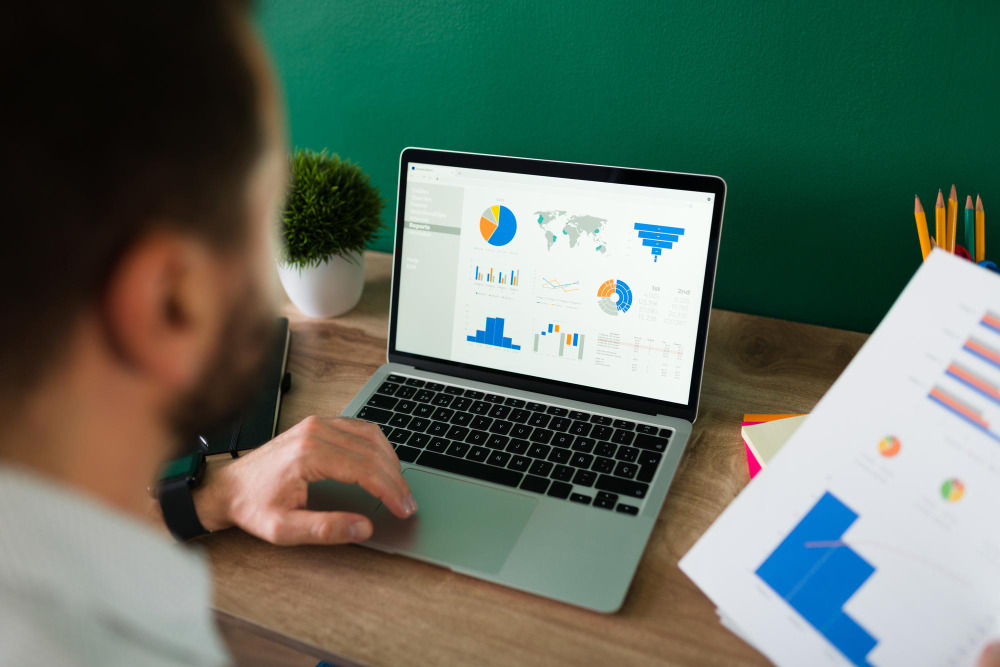
Establishing a digital portal where your ICP can readily place orders is a must in the highly digitised convenience era . Some key digital store requirements are: user interface , SEO &ranking, product accuracy and digital security. Using reliable servers with secure firrewalls ensurres you prevent hacking ,system failure or operational buffering. When marketing your FMCG products digitally ,using the right marketing strategy converts simple attention into prime action by leveraging peak data analytics.
Distribution
connecting product to client is a logistical evolution that was previously reserved for mailmen now you its a convenient service at your fingertips . Ensuring businesses deliver on time and in time is a consequence of adequate SDLC (software development Life Cycles )maintenance &system engineering .The future of this industry will depend on how innovative energy solutions are applied ,affecting the cost of fuel, electricity and earth mineral or plastic production.These are the raw materials that drive vehicle production, travel and connectivity . Another optional foresight is drones in areas but that has the likelihood of attracting too much attention or disruption .